
Tech Tip: Fetching Qodlysource Data Efficiently
PRODUCT: Qodly Studio | VERSION: 21 | PLATFORM: Mac & Win
Published On: March 20, 2026
When developing with Qodly Studio, there are two types of Qodly Sources that can be created, Page and Shared. When working with a shared qodlysource, be careful when choosing the value to initialize, because its scope will be the whole application. For example, an entity selection-based, shared qodlysource may have an initial value of None or All.
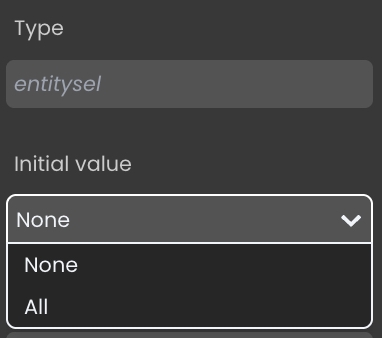
Choosing to initialize the shared qodlysource with All means that all entities of the dataclass will be fetched across the entire application, which could ultimately become unnecessary and inefficient. Using a Page qodlysource instead, if the data set is only needed for a particular page, would be more efficient. Alternatively, if the shared qodlysource must be used, the initial value can be set to None and, in the pages loading event, a class function can be called to fetch only the necessary entities and set it to the qodlysource.
Choosing to initialize the shared qodlysource with All means that all entities of the dataclass will be fetched across the entire application, which could ultimately become unnecessary and inefficient. Using a Page qodlysource instead, if the data set is only needed for a particular page, would be more efficient. Alternatively, if the shared qodlysource must be used, the initial value can be set to None and, in the pages loading event, a class function can be called to fetch only the necessary entities and set it to the qodlysource.